Winter Vegetables for Tasmania
Tasmania’s cool climate is well suited to a range of winter vegetables. Popular options include broccoli, cauliflower, cabbage, kale, silver beet, and Brussels sprouts, garlic and onions. These vegetables thrive in cooler temperatures and can withstand frost, making them ideal for winter planting
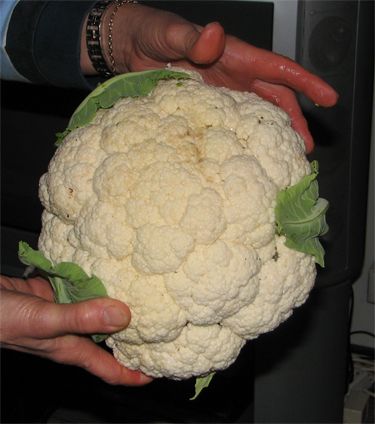
When to sow?
For most winter crops, sow seeds in mid-summer to early autumn (Late December to March) so plants are established before the coldest months. Brassicas like broccoli and cauliflower benefit from early sowing and transplanting once seedlings are sturdy. Root vegetables such as carrots and parsnips can be direct sown in the garden during late summer.
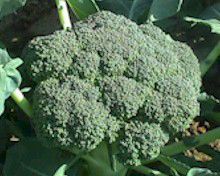
What about care?
Caring for winter vegetables involves keeping soil moist but not waterlogged, mulching to retain warmth and moisture, and protecting young plants from pests like slugs and snails. Regular feeding with a Complete Organic Fertiliser supports steady growth. With proper care, these vegetables will provide a steady supply throughout the colder months.
.jpg "image title")
Onions
• Variety: choose day-length types suited to southern latitudes (often labelled long-day or intermediate-day) so bulbs form properly.• When to sow/plant: typically late autumn through winter into early spring (about May–August), depending on variety and your local frost exposure. I plant Tree onions in mid April and red salad onion seed indoors in early July, transplanting the seedlings into the garden in September. • Position: full sun.• Soil: fertile, well-drained, with compost; avoid fresh manure.• Spacing: 10–15 cm apart for bulbing onions; 25–30 cm between rows (spring onions can be closer).• Water: consistent moisture is key—don’t let them dry out then flood. Reduce watering as tops fall and bulbs finish.• Feeding & weeding: light, regular feeding early; keep weed-free (onions compete poorly). Avoid high nitrogen late in the season.• Harvest: when tops bend over and begin drying; cure in a dry, airy spot before storing.
Garlic
• Plant cloves in autumn to early winter (about April–June). Choose firm cloves; plant point-up.• Position: full sun, good airflow.• Soil: fertile and free-draining; add compost. Avoid heavy fresh manure at planting.• Spacing: 10–15 cm apart; rows 20–30 cm apart; depth ~5 cm.• Water: keep lightly moist while establishing; avoid waterlogging in winter. Water more regularly in spring, then ease off as bulbs mature.• Feeding: compost at planting; a light nitrogen feed in late winter/early spring until bulbing starts, then reduce nitrogen. I add a COF with extra blood and bone in September. This allows consistent release of nutrient over the Spring months to keep the bulbs growing.• Harvest: lift when lower leaves brown and ~1/3–1/2 leaves remain green; cure somewhere dry and airy out of direct sun. ( usually at end of November)

Broad Beans
• When to sow: autumn is ideal in cool climates (about April–June). Spring sowing is possible but can reduce yield if conditions warm/dry during flowering. I soak my seed in a 10 water:1 Seasol mix for 24 hrs prior to sowing. This aids germination.• Position: full sun to part sun.• Soil: compost-enriched; tolerates heavier soils better than many crops, but avoid waterlogging.• Sowing depth/spacing: sow 5–7 cm deep; 20–25 cm apart; rows 45–60 cm apart. I use a Romesh grid to cover the bed and raise it up stakes as the plants grow through to stabilise them against wind.• Water: moderate overall; keep evenly moist during flowering and pod fill.• Feeding: usually minimal—too much nitrogen makes leafy growth (they fix nitrogen).• Care tips: pinch out soft growing tips once pods start setting to help reduce aphids and improve airflow.• Harvest: from the bottom up during November.• We prefer to harvest the younger pods before the seeds turn grey. They have better flavour.• Broad beans will freeze well after a light blanching, but who wants broad beans all through the year. I am convinced the nutrition in broad beans when freshly harvested is superior.
Subscribe to our newsletter
Sign up with your email address to receive news and updates.