Vegetable Irrigation using Fermented Vegetable Scraps
A simple way to do this is by making a fermented plant “tea” from fruit and vegetable scraps, then diluting it 1 part liquid to 10 parts water before using it on your crops. This, at best, is a supplementary fertiliser for vegetables, as nutrient content will vary.
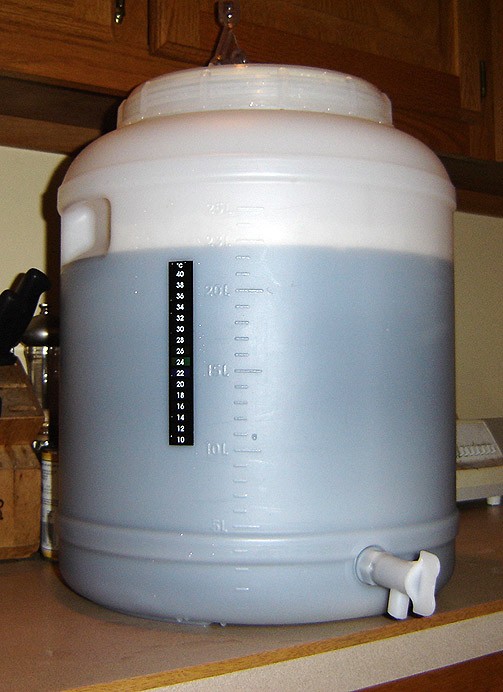
How the technique works
When vegetable and fruit scraps are left to ferment, naturally occurring microbes begin to break the material down. This produces a nutrient-rich liquid that can be used as a supplementary fertiliser. Fermentation can help release some nutrients into a form that is easier for plants and soil microbes to use.This kind of homemade liquid feed is often used to:• add a small boost of nutrients• stimulate soil microbial activity• recycle kitchen and garden wasteHowever, it is usually best seen as a gentle supplement, not a complete fertiliser program for heavy-feeding vegetables like tomatoes, pumpkins, corn, or brassicas.
Ingredients
Skin peeling of 3 Onions-source of potassiumChopped skins of 2 bananas- potassiumEspresso Coffee grounds 1 tablespoon- nitrogen2 tablespoons Blackstrap molasses- sugar1 tablespoon Epsom Salts- magnesium9 litres water
In a jar on your kitchen bench:
Collect the onion skins and banana skinsChop the banana skins into small piecesAdd coffee grounds.Place ingredients in a muslin bag and add warm water at approx. 30degrees CAdd the molasses and Epsom salts.Add a sprinkling of bakers yeast or wine yeast.Over 7 days the yeast will ferment the mixture. Squeeze the muslim bag to extract the fermented juice.The water will be a dark tan colour.
Basic method
A common approach is:1. Collect scrapsUse fruit and vegetable scraps only. Avoid meat, dairy, oils, and heavily salted or cooked foods.2. Chop them upSmaller pieces break down faster.3. Place in a containerAdd the scraps to a bucket or jar. Add blackstrap molasses to encourage fermentation, though it is not always necessary.4. Add water (or ferment first, then strain)Cover the scraps and allow them to ferment for several days to a few weeks, depending on temperature.5. Stir and monitorThe mixture will smell sour or strong as it ferments. If it smells rotten rather than fermented, too little air or the wrong ingredients may be the issue.6. Strain the liquidOnce fermented, strain off the liquid.7. Dilute 1:10 with waterMix 1 part fermented liquid with 10 parts water before applying.Example:o 1 cup fertiliser + 10 cups watero 1 litre fertiliser + 10 litres water
How to apply it
You can use the diluted liquid:• around the base of plants as a soil drench• on moist soil rather than bone-dry soil• every 1 to 2 weeks during active growthIt is generally safer to apply it to the soil rather than directly onto leaves, especially in warm weather.