April In The Food Garden
Vegetable plantings in April + Storing your Autum harvest
Autumn days in southern higher latitudes (400S+) grow shorter and cooler although the average daily temperature is still 18-20C.
The nights cool rapidly and temperatures get down to below 10 C.
This makes a big difference to the ripening of tomatoes and strawberries.
Bringing tomatoes inside when they show a hint of pink and placing them in a dark room or cupboard will hasten the ripening.
Be prepared however to make some green tomato relish with your top layered tomatoes in this climate.
They are unlikely to ripen on the bush from now on.
Now is the time to plant garlic for vegetative growth whilst the soil still retains some warmth, also cauli seedlings and broccoli will grow quickly this month.
The usual 12 weeks for vegetable maturity will lengthen as the days become shorter
as most vegetables rely on light summation to produce their edible parts.
The key to growing good garlic is to get it in and sprouted early
to procuce healthy leaf growth in the Autumn before bulb development in the late Spring.
Under same principle, Broad Beans may be sown in late April. Sowing early gives the plants a strong start, but as they are polinated by bees, don't expect beans until mid-late October when bees become active in September.
April Planting
Harvesting/Eating
Storing Pumpkins, carrots and parsnips over winter.
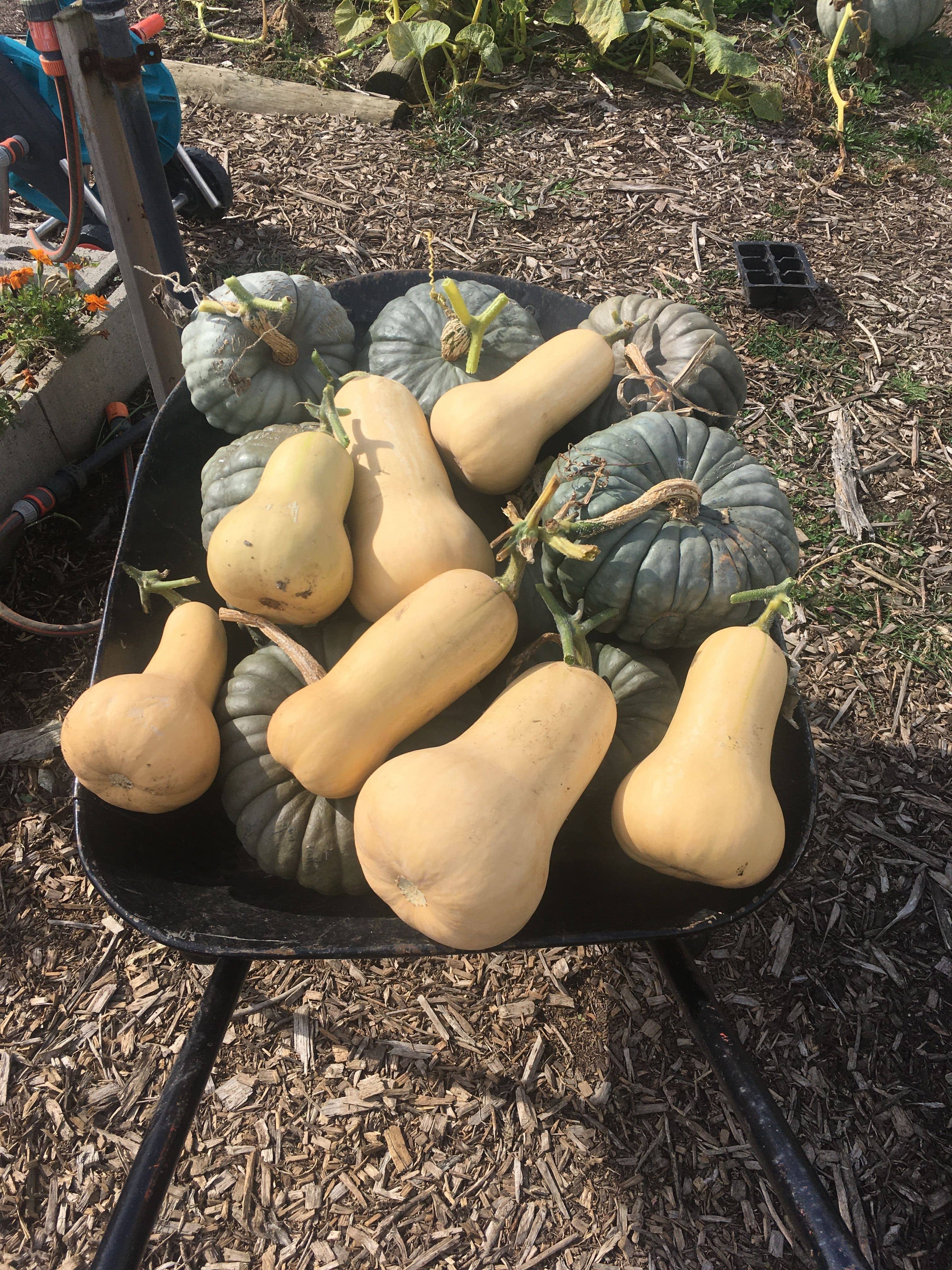
Pumpkins
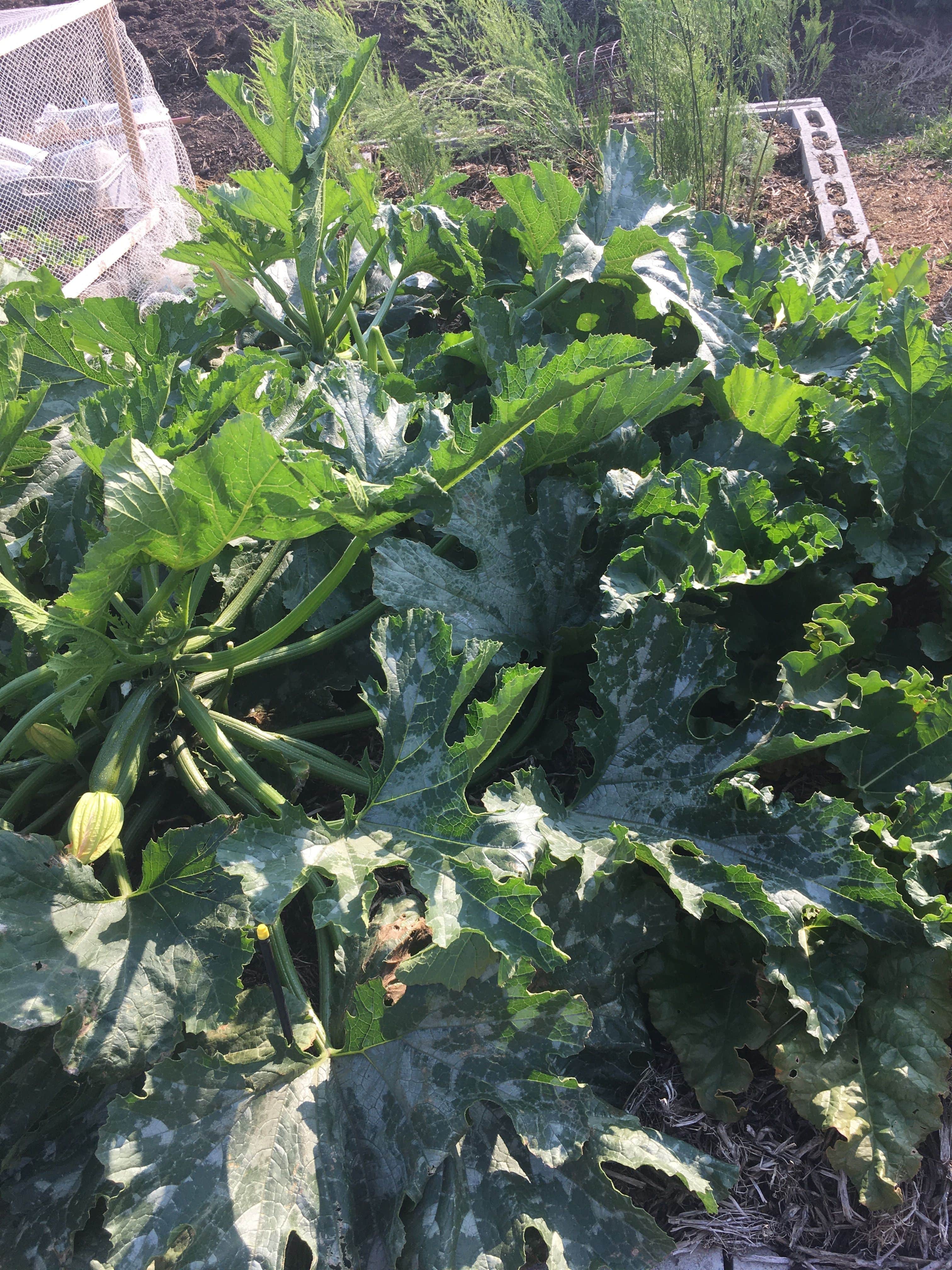
Allow the vines to die down naturally. At this time of the year they become prone to powdery mildew and wither fairly rapidly.
Despite tales that pumpkins need a frost to keep well,
I have found this to be poor advice especially with the thinner skinned varieites such as Butternut.
Bring them in before the first frost cutting the stem and leaving about 1 cm either side of the junction attached to the stalk.
This will wither and harden preventing disease from entering the fruit.
Place your pumpkins in a well ventilated dark place and check regularly,
using any that show signs of rot at the base or where the stalk enters the fruit.
We used the last pumpkin from last season a month ago, so there is only about a month in the year when you won't have pumpkin.
My wife makes and freezes soup from the last pumpkins, so I can say that this is a year roiund vegetable.
See here for cultivation notes
Carrots & Parsnips
These root vegetables mature well in the cooler months and develop more flavour;
especially parsnip which really needs a good cold spell to develop its best flavour.
If you have room under your house and wish to store these vegies to make room for a green manure crop
you can store them in plastic garbage bins or boxes covered with sand.
Keep the root intact to get best results and cover each layer of begetables with a layer of coarse sand
to keep a little residual mositure and air whilst eliminating light.
They will store well until the weather really gets warm in December.
By this time you have new season carrots ready in the garden.If you leave them in the ground they will run to seed in September.
especially parsnip which really needs a good cold spell to develop its best flavour.
If you have room under your house and wish to store these vegies to make room for a green manure crop
you can store them in plastic garbage bins or boxes covered with sand.
Keep the root intact to get best results and cover each layer of begetables with a layer of coarse sand
to keep a little residual mositure and air whilst eliminating light.
They will store well until the weather really gets warm in December.
By this time you have new season carrots ready in the garden.If you leave them in the ground they will run to seed in September.

Queensland Blue Pumpkin. Wait until the stalk browns before harvesting. Cut each side of the main stem .