Summary of Good Soil Management in a Vegetable Garden
Good soil management is the foundation of a productive and sustainable vegetable garden. Healthy soil supports strong plant growth, improves water efficiency, reduces pest and disease pressure, and maintains long-term fertility. Rather than relying heavily on fertilisers, good soil management focuses on building soil structure, organic matter, biological activity, and balanced nutrients over time.
Key Principles of Good Soil Management
1. Soil Structure and Aeration
Well-structured soil allows roots to grow easily, water to drain without waterlogging, and air to reach plant roots and soil organisms. Compacted soil restricts root growth and reduces yields.
2. Organic Matter Content
3. Balanced Nutrients
Vegetables require a steady supply of nutrients, especially nitrogen, phosphorus, potassium, and trace elements. Healthy soils release nutrients gradually rather than in sudden surges.
4. Soil Biology
Earthworms, fungi, bacteria, and other microorganisms break down organic matter and make nutrients available to plants. A living soil is more resilient and productive.
5. Protection of the Soil Surface
Bare soil is vulnerable to erosion, drying out, and nutrient loss. Keeping soil covered helps maintain moisture and soil life.
6. Rotation of Growing Beds
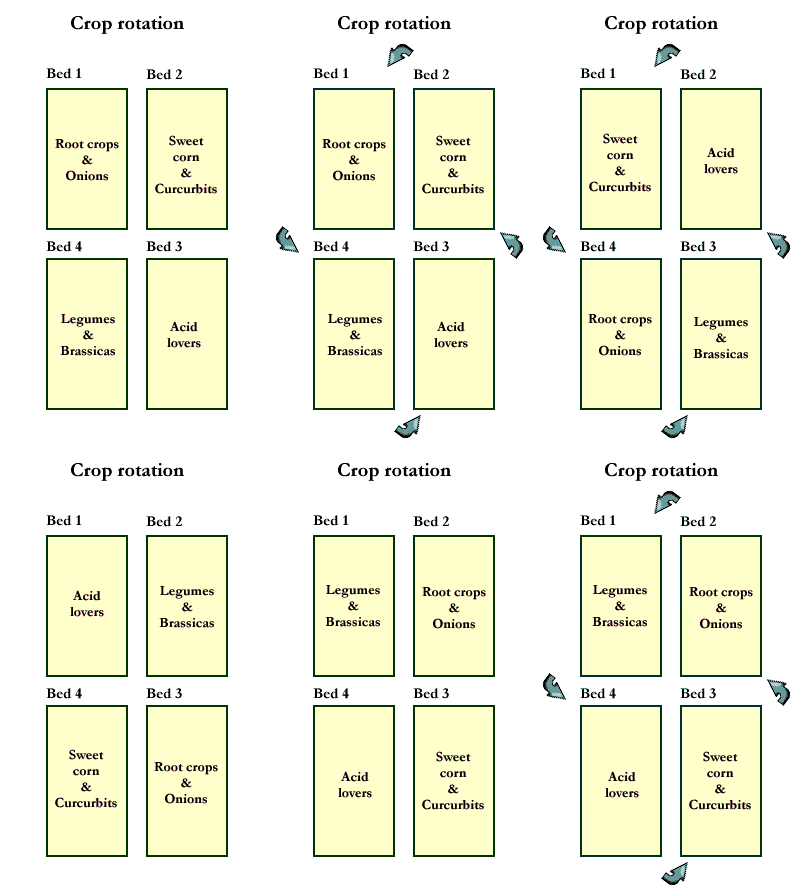
It is important to rotate beds so that the same crop is not grown in the same bed any more than once every three years. This practice will minimise the depletion of nutrient within a bed and assist the breakdown of pathogens and nematodes in the soil and prevent them from sustainability by being able to affect the same hosts each year.
Organic matter (such as compost and decomposed plant material) improves soil structure, increases water-holding capacity, and feeds beneficial soil organisms. It is essential for long-term soil health.
Practical Implementation in a Vegetable Garden
1. Add Organic Matter Regularly
• Apply well-made compost, aged manure, or worm castings to garden beds at least once or twice a year.• Incorporate compost lightly into the topsoil or apply it as a surface layer and allow soil organisms to work it in naturally.• Remove diseased plant material but compost healthy garden waste.
2. Minimise Soil Disturbance
• Avoid frequent or deep digging, which disrupts soil structure and soil life.• Use hand tools or broadforks instead of rotary tillers where possible as rotary tillers compact the soil at the blade depth.• Design permanent garden beds and avoid walking on them to prevent compaction.
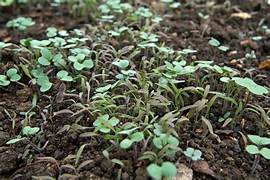
3. Use Mulch to Protect the Soil
• Apply organic mulches such as straw, pea straw, shredded leaves, or grass clippings around vegetables.• Mulch helps retain moisture, suppress weeds, regulate soil temperature, and slowly adds organic matter as it breaks down.• Keep mulch slightly away from plant stems to reduce disease risk.
4. Rotate Crops
I’• Avoid planting the same vegetable family in the same spot each season.• Crop rotation reduces nutrient depletion and breaks pest and disease cycles.• For example, rotate leafy crops, fruiting crops, root crops, and legumes through different beds each year.
5. Grow Cover Crops (Green Manures)
- • Sow cover crops such as legumes, buckwheat or nematode mustard during fallow periods.
- • These crops protect the soil, add organic matter, and improve soil structure. Nematode mustard deters nematodes in prone crops the following season.
- • Slash or lightly dig in cover crops before they set seed.
6. Manage Water Carefully
• Water deeply and less frequently to encourage deep root growth.• Avoid overwatering, which can leach nutrients and reduce soil oxygen.• Improve drainage in heavy soils by adding organic matter rather than sand.
7. Test and Observe the Soil
• Periodic soil testing helps identify nutrient deficiencies or pH issues.• Observe plant growth, leaf colour, and soil texture as practical indicators of soil health.• Adjust amendments gradually rather than applying large amounts at once.
Good soil management in a vegetable garden is an ongoing process rather than a one-time task. By regularly adding organic matter, minimising disturbance, protecting the soil surface, and encouraging soil life, you can build fertile, resilient soil that supports healthy crops year after year. Practical, consistent actions taken each season lead to improved productivity and reduced reliance on external inputs.
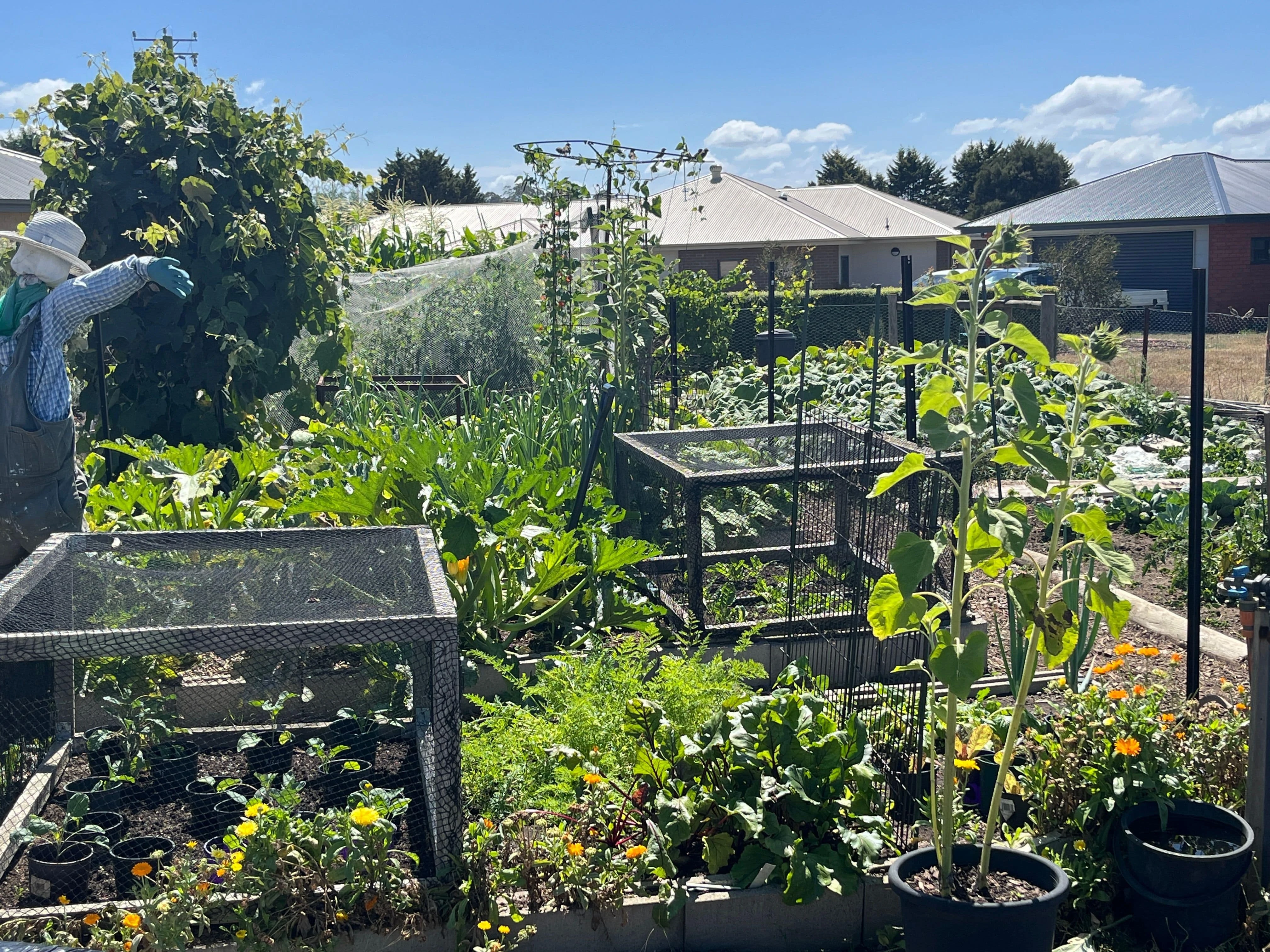
Summer Garden.
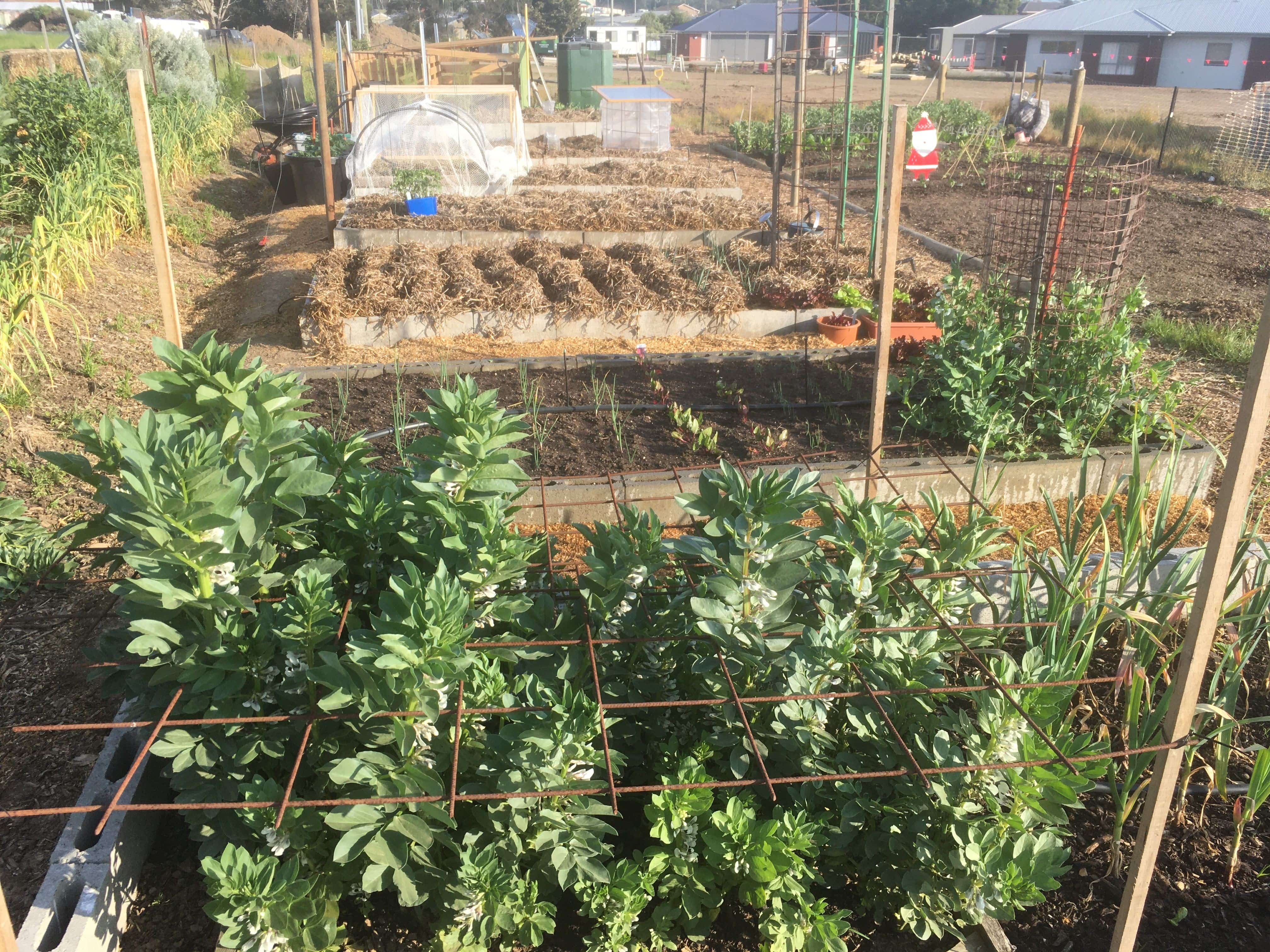
Late Winter Garden
Subscribe to our newsletter
Sign up with your email address to receive news and updates.